
How to Support Brain Health and Reduce Your Risk of Dementia
10 Simple Ways To Support Your Wellbeing At Every Stage Of Life
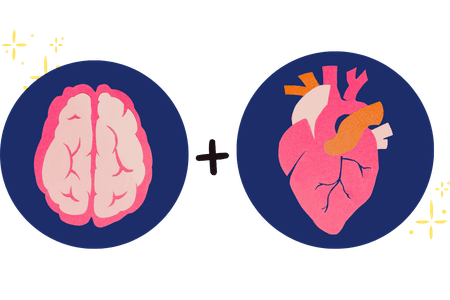
Looking after your brain is just as important as looking after your heart, muscles and overall physical health. While some causes of dementia cannot be prevented, there are lifestyle choices that may help support cognitive health, brain function and healthy ageing throughout life.
The good news is that it is never too early to start looking after your brain. From staying physically active and socially connected to eating well, getting enough sleep and keeping your mind stimulated, small everyday habits can contribute to better overall brain health.
What Is Cognitive Health?
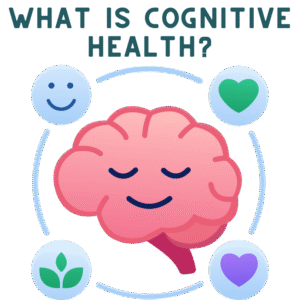
Cognitive health refers to how well your brain performs important functions such as memory, thinking, learning, concentration, decision-making and communication.
As we get older, it is normal to experience some changes in memory or thinking. Occasionally forgetting a name or misplacing your keys does not necessarily mean dementia. However, ongoing or significant changes in memory, thinking or behaviour should always be discussed with a healthcare professional.
Taking care of your cognitive health throughout adulthood can help support your independence and quality of life as you age.
Prevalence of Dementia in Australia 2026
Dementia is a growing health concern in Australia, affecting hundreds of thousands of people and their families. According to Dementia Australia, there is an estimated 446,500 people living with all forms of Dementia across the country in 2026. They have projected this will increase to an estimated 812,500 by 2054 with a projected change of 82%.
While dementia is more common as we get older, it can also affect people much earlier in life. Younger onset dementia refers to dementia diagnosed before the age of 65, and it can have a particularly significant impact on people who may still be working, raising children or caring for family members. In Australia, an estimated 29,000 people aged 18-65 were living with dementia in 2026, with an expected increase of approximately 41,000 by 2054.
Without intervention, this will become a growing issue for individuals, communities, and the Australian healthcare system. With the number of Australians living with dementia projected to approach over 1 million by 2065, there is an increasing focus on what can be done earlier in life to support brain health and reduce modifiable risk factors.

Can You Prevent Dementia?
While there is no guaranteed way to prevent dementia, research suggests that addressing certain lifestyle and health factors throughout life may help reduce the risk of cognitive decline. This makes looking after your brain health today an important part of healthy ageing and maintaining independence for the future.
This means that looking after your brain should be viewed as a lifelong approach, rather than something to think about only after memory problems appear.
Here's 10 Simple Ways To Support Brain Health
1. Keep Your Brain Active
Your brain benefits from being challenged and engaged.
Regularly learning, thinking, remembering and solving problems can help keep your mind active. Try activities that you genuinely enjoy, such as:
- Reading books or newspapers
- Doing crossword puzzles or Sudoku
- Playing cards or board games
- Learning a new skill
- Playing a musical instrument
- Cooking new recipes
- Doing arts and crafts
- Gardening
- Learning a new language
- Taking up a new hobby
You don’t need to complete complicated brain-training exercises. Everyday activities that require concentration, creativity and problem-solving can provide valuable mental stimulation, aiming for 15 to 30 minute daily sessions.
2. Exercise Regularly
Physical activity is important for both your body and your brain.
Regular exercise supports cardiovascular health, circulation, mobility, balance and overall wellbeing. Whilst also boosting your mood and reducing stress, physical movement creates endorphins, serotonin, and dopamine, helping lower your anxiety and mild depression as well.
Activities such as walking, swimming, cycling, gardening, dancing or strength exercises can be incorporated into your routine. If mobility is an issue, you can also incorporate seated exercises such as chair yoga or hydrotherapy.
You don’t have to become an athlete. Consistent movement is what matters. It is recommended to aim for 30 minute sessions 5 days per week or 150 minutes over the whole week.
If you have not exercised for some time, speak with your doctor or healthcare professional about the safest activities for you.

3. Stay Socially Connected
Maintaining relationships and participating in social activities can support emotional wellbeing and help keep the brain engaged.
Make time for family and friends, join a community group, participate in hobbies or volunteer in your local community.
Something as simple as meeting a friend for coffee, joining a walking group or attending a regular activity can provide valuable social interaction.
Connection is an important part of healthy ageing.

4. Eat for Brain and Heart Health
A healthy, balanced diet supports your overall health and can contribute to cardiovascular and brain health. Focus on a variety of nutritious foods, including:
- Vegetables and leafy greens (spinach, kale, broccoli)
- Fresh fruit (blueberries, strawberries)
- Whole grains (quinoa, brown rice, oats)
- Fish and lean sources of protein (salmon, sardines, trout)
- Nuts and seeds (walnuts and almonds)
- Healthy fats (olive oil)
- Eggs
Rather than focusing on one particular “brain food”, think about your overall eating pattern and aim for a balanced diet that supports your long-term health. It is also important to stay hydrated throughout the day.
5. Get Enough Quality Sleep
Sleep gives your body and brain an opportunity to rest and recover.
Poor sleep can affect concentration, memory, mood and energy levels. Establishing a regular sleep routine, creating a comfortable sleeping environment and addressing ongoing sleep problems can help support better sleep.
If you regularly struggle to sleep or feel excessively tired during the day, speak with your healthcare professional.

6. Look After Your Heart
Brain health and heart health are closely connected.
Conditions such as high blood pressure, high cholesterol, diabetes and cardiovascular disease can affect blood vessels and may contribute to cognitive health risks.
Regular health checks can help identify potential problems early. Following your healthcare professional’s advice about managing blood pressure, cholesterol, blood sugar and other health conditions is an important part of healthy ageing.

7. Look After Your Hearing and Vision
Hearing and vision changes can affect how we interact with the world around us.
Difficulty hearing conversations or seeing clearly may lead some people to withdraw from social activities and everyday interactions.
Regular hearing and vision checks can help identify changes and ensure appropriate support is provided when needed
8. Reduce Alcohol and Avoid Smoking
Smoking and excessive alcohol consumption can negatively affect overall health, including cardiovascular health.
If you smoke, consider speaking with your healthcare professional about quitting. If you drink alcohol, staying within recommended guidelines can help reduce health risks.
Making positive changes at any stage of life can be worthwhile.

9. Give Yourself a Purpose
Having a reason to get up each morning can contribute significantly to wellbeing.
Purpose can come from many different things such as caring for a garden, spending time with grandchildren, volunteering, working, participating in a community group or pursuing a favourite hobby.
As we get older, maintaining activities that provide meaning, connection and enjoyment can help support a fulfilling life.
10. Don't Ignore Changes in Memory
Looking after your cognitive health is important, but it is equally important to recognise when changes may require further assessment.
Speak with your doctor if you or someone close to you experiences ongoing changes such as:
- Increasing forgetfulness
- Difficulty managing familiar tasks
- Problems finding the right words
- Becoming confused about time or place
- Difficulty managing finances or medications
- Noticeable changes in personality or behaviour
- Increasing difficulty making decisions
Early assessment can help identify possible causes and ensure appropriate support is available.
It's Never Too Early to Look After Your Brain
Supporting cognitive health isn’t about finding one magic solution. It is about building healthy habits that can become part of everyday life.
Move your body. Keep your mind active. Stay connected. Eat well. Sleep well. Manage your health. Keep doing the things that give your life meaning.
These simple steps can help support healthy ageing and may contribute to reducing some modifiable risk factors associated with cognitive decline and dementia.
Whether you need occasional assistance or ongoing support, our friendly team is here to help you continue living life your way.
